Components vs. Parts
What's the Difference?
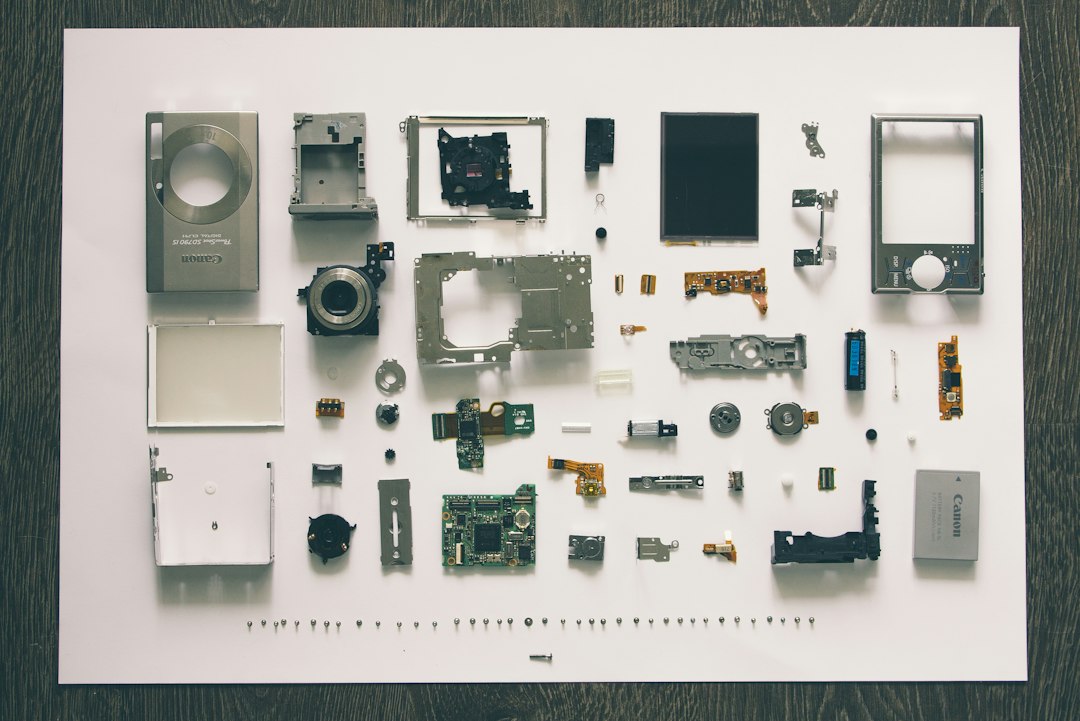
Components and parts are both essential elements in the construction and functioning of a system or product. However, there is a distinction between the two. Components are individual elements that are necessary for the overall operation of a system, while parts are smaller pieces that make up a component. Components are typically more complex and have specific functions, while parts are more interchangeable and can be replaced or upgraded as needed. In essence, components are the building blocks of a system, while parts are the smaller pieces that make up those components.
Comparison

| Attribute | Components | Parts |
|---|---|---|
| Definition | Functional units that are essential for the operation of a system | Individual pieces that make up a whole |
| Interchangeability | Can often be interchanged with other components of the same type | May not be easily interchangeable with other parts |
| Complexity | Can be complex and consist of multiple parts themselves | Can range from simple to complex |
| Functionality | Perform specific functions within a system | Contribute to the overall function of a system |
| Relationship | Can be part of a larger component or system | Can be combined to form a component |
Further Detail
Definition
Components and parts are two terms that are often used interchangeably in various industries, but they actually have distinct meanings. Components refer to individual elements that make up a larger system or product. These elements are usually designed to work together to achieve a specific function or purpose. On the other hand, parts are individual pieces that can be used to repair or replace a component within a system. While components are essential for the overall functionality of a system, parts are more focused on maintenance and repair.
Functionality
Components play a crucial role in the functionality of a system or product. They are carefully designed and engineered to work together seamlessly, ensuring that the system operates efficiently and effectively. Components are often integrated into the overall design of a product, with each component serving a specific function. Parts, on the other hand, are more focused on providing replacements or repairs for components that may wear out or malfunction over time. Parts are essential for ensuring the longevity and reliability of a system.
Interchangeability
One key difference between components and parts is their interchangeability. Components are typically designed to work together in a specific configuration, and they may not be easily interchangeable with other components. This is because components are often customized to fit the specific requirements of a system. Parts, on the other hand, are designed to be interchangeable with other parts within a system. This allows for easy maintenance and repair, as parts can be swapped out without affecting the overall functionality of the system.
Complexity
Components are usually more complex than parts, as they are designed to perform specific functions within a system. Components may consist of multiple parts that work together to achieve a desired outcome. The design and engineering of components require careful consideration of various factors, such as performance, durability, and compatibility. Parts, on the other hand, are typically simpler in design and function. They are often standardized and mass-produced, making them readily available for maintenance and repair purposes.
Cost
Components are generally more expensive than parts, as they are essential for the overall functionality of a system. The design and manufacturing of components require specialized expertise and resources, which can drive up the cost. Components are often customized to fit the specific requirements of a system, further adding to their cost. Parts, on the other hand, are more affordable and readily available. Parts are mass-produced and standardized, making them cost-effective for maintenance and repair purposes.
Examples
Examples of components include processors in a computer, engines in a car, and sensors in a smartphone. These components are essential for the overall functionality of the respective systems. Examples of parts include batteries, tires, and filters. These parts are designed to be easily replaced or repaired to ensure the longevity and reliability of the systems they belong to.
Comparisons may contain inaccurate information about people, places, or facts. Please report any issues.